

Rising Insurance Rates Hitting Homeowners Hard Across Washington
Every time you turn around something else is taking more money out of your bank account. Some things you can decide if you want to spend the money on, while others you don;t have a choice but to pay the increases. Insurance is one of those things where your choices are severely limited.
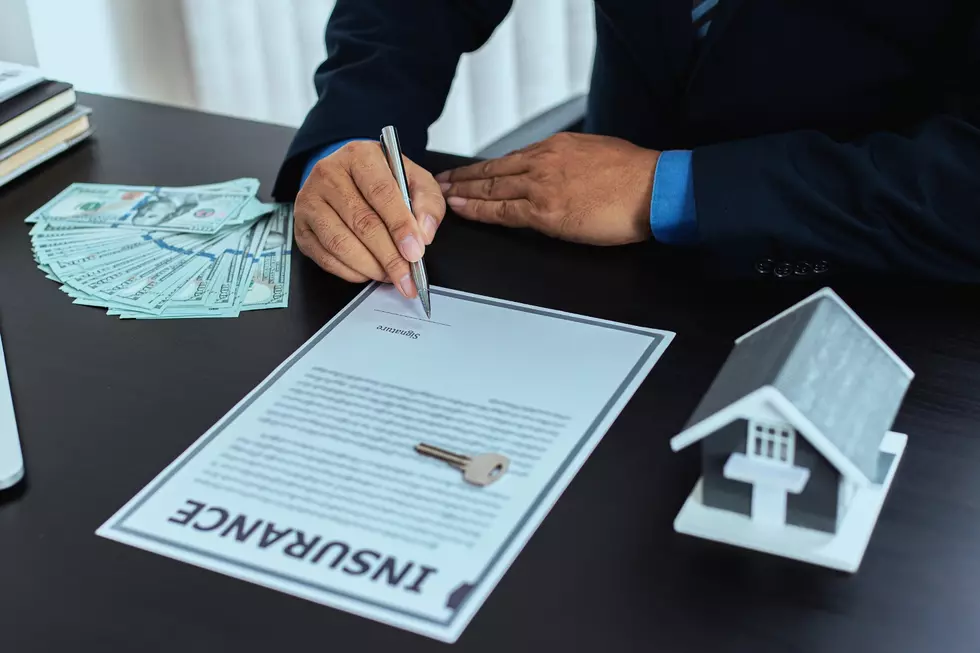
While homeowners insurance isn't required by law (like auto insurance), if you buy a home and carry a mortgage, the lender will require you to buy an insurance policy as part of the contract. Over the last few years, those of us that are homeowners have seen assessed property values increase over the decade.

According to the Washington State Office of Financial Management, the median home price has more than doubled since 2015. Home insurance policies didn't increase nearly that much over the same time frame. The last couple of years have been a different story.

When I got a peek at my new homeowner policy I rubbed my eyes to make sure I was seeing what i thought I was seeing. My policy almost doubled from last year. I called my agent and wanted to double check it was accurate. His response was that some homeowners saw 200% increases in their policies.
Washington State Has The Third Highest Increase In The U.S.

Lendingtree.com took a look at where homeowners insurance costs went up the most and Washington State tied for the third largest with Minnesota with a $19.5% hike from the previous year. The states we trailed were Montana and Nebraska (22.1% up). Over the last five years, homeowners rates have gone up over 50% in the Evergreen State.

That's good for the 14th highest increase over a five year span in the Nation.
Can You Reverse The Trend & Actually LOWER Your Insurance
Short answer is yes, you can. The slightly longer answer is it will take some work on your part. Lendingtree.com offered the following tips to get you started.
- Shop around to make sure you’re not overpaying - Rate comparison tools are helpful but just because the policy is cheaper doesn't mean it is better.
- Increase your deductibles - This is the easiest place to start when looking to save money. The higher your deductible, the more money upfront that comes out of your pocket. Make sure you can afford to pay more up front before you change your policy.
- Pay for minor repairs yourself instead of through insurance - Insurance companies will tell you the biggest drivers of rate increases are the number of claims paid out. If the repairs you need to make are equal to your deductible or less, don't file a claim as the insurance won't pay anything. While not every claim could lead to an increase, if you create a history of filing them, the chances of your rate going up is really good.

I'm going to throw in a tip I got from my agent about something we have all overlooked as our property values have gone up. Most of us focus on the "big number" in our policy, the number that covers the loss of our home and how much we would have to rebuild. There is another coverage line item called "Personal Property" coverage that replaces items like clothing, appliances, electronics, and other items inside the home.
The rule of thumb for this coverage was usually 70% of your home's value. That was great ten years ago before home prices went up faster than a Space X rocket. If your home's assessed value is $400,00 do you really have north of $280,000 of personal property value? If not, cutting that percentage down to the low end of 40% (or a percentage where you are comfortable) will help save some money on your policy.
6 Huge Reasons Why People Are Leaving Washington State
Gallery Credit: Rik Mikals